How Often Should You Clean VAV Systems in Highland Park Commercial Buildings?
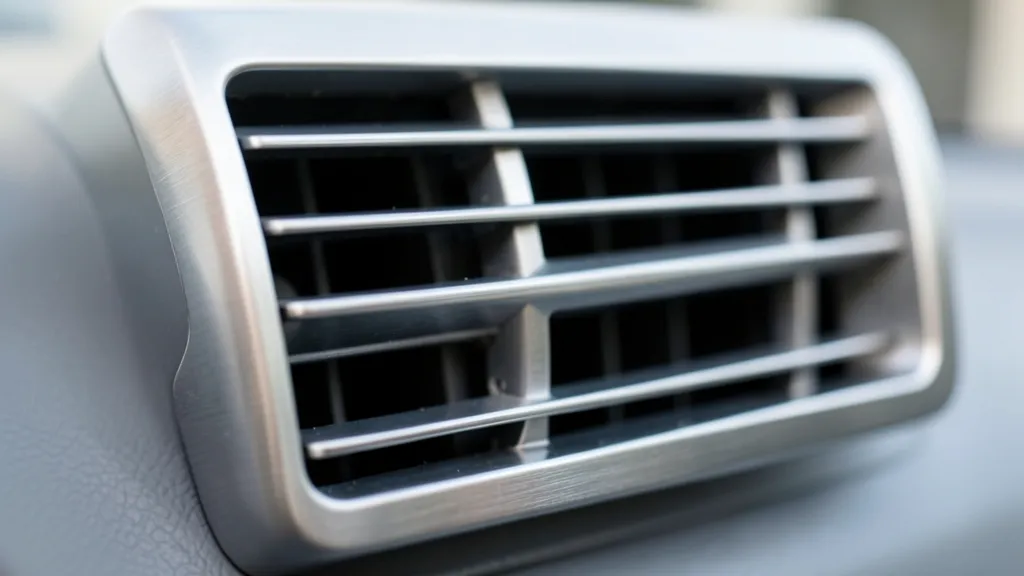
Variable Air Volume (VAV) systems are the backbone of many Highland Park commercial buildings, but their efficiency hinges on cleanliness. Without regular maintenance, dust, mold, and debris accumulate—compromising airflow, energy performance, and indoor air quality. We’ll break down the real-world factors that determine how often your VAV system needs professional cleaning.
Why VAV Systems in Commercial Spaces Demand Special Attention
VAV systems dynamically adjust airflow to different zones, which means their ducts, dampers, and coils work harder than standard HVAC setups. This constant modulation accelerates dust and contaminant buildup in supply and return paths.
High-occupancy spaces like offices, retail, or schools in Highland Park or nearby Highwood see faster degradation. Poorly maintained VAVs can circulate allergens, reducing tenant comfort and triggering health complaints.
ASHRAE and NADCA Guidelines: The Baseline for Frequency
ASHRAE recommends inspecting commercial ductwork every 1–2 years, with cleaning as needed based on contamination levels. NADCA’s standards align closely, emphasizing that frequency depends on usage, environment, and system design.
For VAV systems, we often advise a 3–5 year cleaning cycle as a starting point—but local conditions in Highland Park may shorten or extend that window. Humidity from Lake Michigan, seasonal pollen, and construction dust play major roles.
| Building Type | Recommended Cleaning Frequency | Key Contamination Factors |
|---|---|---|
| Office Buildings | Every 3–5 years | Dust, paper fibers, high occupancy |
| Retail Spaces | Every 2–4 years | High foot traffic, product particulates |
| Schools & Daycares | Every 2–3 years | Allergens, crayons/art supplies, frequent occupancy |
| Healthcare Facilities | Every 1–2 years | Infection control, strict IAQ standards |
| Restaurants | Every 1–2 years | Grease, food particles, exhaust cross-contamination |
Local Factors That Accelerate Contamination in Highland Park
Our proximity to Lake Michigan means higher humidity, especially in summer. This fosters mold and mildew growth in ductwork if moisture isn’t controlled. VAV systems in older buildings or those with poor insulation are particularly vulnerable.
Seasonal changes bring pollen in spring and leaf debris in fall. Nearby construction in Northbrook or Glencoe can introduce fine dust that clogs filters and coats coils faster than expected.
Condensation in VAV boxes or duct liners can create ideal mold conditions. If you notice musty odors or visible growth, schedule a professional inspection immediately.
Signs Your VAV System Needs Cleaning Now
Visible dust or debris around diffusers and grilles is the most obvious red flag. But other signs are subtler: reduced airflow, uneven heating or cooling, or a spike in energy bills can all point to clogged ducts.
Increased complaints about allergies, headaches, or respiratory issues among occupants often trace back to poor indoor air quality. A professional duct inspection can confirm whether cleaning or additional treatments like UV sanitization are needed.
Red Flags for VAV System Contamination
- Dust or debris blowing from vents
- Musty or stale odors when HVAC runs
- Higher-than-usual energy costs
- Inconsistent temperatures across zones
- Visible mold on vents or ductwork
- Frequent filter replacements
The Cleaning Process: What to Expect for VAV Systems
Professional VAV cleaning starts with a thorough inspection using cameras and airflow tests. Technicians then use high-powered vacuums and specialized brushes to dislodge contaminants from ducts, coils, and dampers.
For stubborn mold or microbial growth, we often apply EPA-approved sanitizers or UV light treatments. Access panels may need to be installed for hard-to-reach components, especially in older buildings common in Lake Forest or Glencoe.
After cleaning, upgrade to high-MERV filters and schedule regular filter changes. Consider adding air purifiers or UV lights in high-risk zones to extend the benefits of your cleaning.
How Cleaning Frequency Impacts Long-Term Costs
While it’s tempting to delay cleaning to save money, the long-term costs of neglect are steep. Dirty VAV systems can reduce efficiency by 20–40%, leading to higher utility bills and premature equipment failure.
Regular cleaning also preserves indoor air quality, reducing sick days and liability risks for building owners. In Highland Park’s competitive commercial market, tenant satisfaction and retention often hinge on comfort and health.
When to Consider Additional Services
VAV cleaning often reveals related issues. If technicians find mold, a dedicated mold and mildew treatment may be necessary. Similarly, if coils are heavily fouled, HVAC coil cleaning can restore airflow and efficiency.
For buildings with persistent IAQ problems, indoor air quality testing can identify hidden contaminants. In high-risk environments, UV light sanitization provides ongoing protection between cleanings.
How to Determine if Your VAV System Needs Cleaning
Follow these steps to assess your system’s condition and decide whether it’s time for a professional cleaning.
- 1Inspect Visible Components
Check diffusers, grilles, and accessible duct sections for dust, debris, or mold. Use a flashlight to look inside vents where possible.
- 2Monitor Airflow and Performance
Note any uneven heating or cooling, weak airflow, or strange odors when the HVAC runs. Compare energy bills to previous years for unexplained increases.
- 3Review Occupant Feedback
Track complaints about allergies, headaches, or stuffiness. If multiple people report issues, poor IAQ is likely the culprit.
- 4Check Filter Condition
If filters clog quickly (every 1–2 months) or appear dirty soon after replacement, your ducts may be overloaded with contaminants.
- 5Schedule a Professional Inspection
A technician can use cameras and airflow tests to evaluate hidden contamination. Request a quote for a full assessment.
Frequently Asked Questions
How is VAV system cleaning different from standard air duct cleaning?
VAV systems require specialized attention to dampers, variable air boxes, and zone-specific ductwork. Technicians must also account for the system’s dynamic airflow, which can redistribute contaminants if not cleaned properly. Standard duct cleaning often misses these components.
Can VAV cleaning be done during business hours in Highland Park?
It depends on the building’s layout and system size. For most commercial spaces, we recommend scheduling cleaning during off-hours or weekends to minimize disruption. Some components, like coils, may require temporary shutdowns.
What’s the biggest mistake building owners make with VAV maintenance?
Assuming that replacing filters is enough. Filters catch larger particles, but fine dust, mold spores, and debris still accumulate in ducts, coils, and dampers. Without professional cleaning, these contaminants degrade performance and IAQ over time.
Does Highland Park’s climate affect how often I should clean my VAV system?
Absolutely. The humid summers and cold winters near Lake Michigan create ideal conditions for mold and dust buildup. Buildings in areas like Highwood or Glencoe may need more frequent cleaning due to higher moisture levels or proximity to construction.
Is UV light treatment worth it for VAV systems?
UV light sanitization is highly effective for preventing microbial growth in ducts and coils, especially in high-humidity environments. It’s a smart add-on for healthcare facilities, schools, or any building where IAQ is a priority.
How do I find a reputable VAV cleaning service near Highland Park?
Look for a company with NADCA certification, experience with commercial VAV systems, and a track record in the North Shore area. Ask for references from local buildings and ensure they use industry-standard equipment like negative air machines and HEPA vacuums.