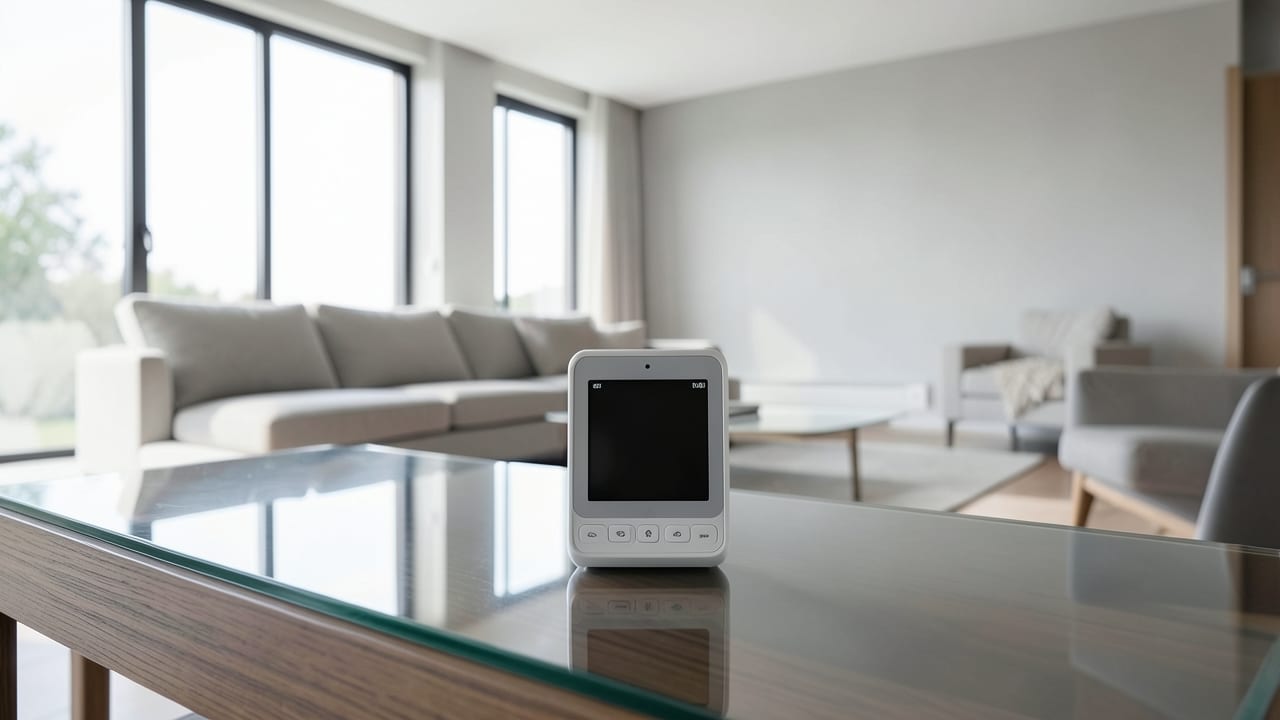
Indoor Air Quality Testing
Indoor air quality testing in Highland Park, IL measures particulate levels, humidity, and allergens to identify what a home's HVAC system is actually circulating.
Indoor air quality testing in Highland Park, IL measures what’s actually circulating in your home’s air—particulate levels, humidity, and dust—using precise tools like particle counters and hygrometers. This data-driven approach helps identify hidden issues before they affect your family’s health or comfort.
Why Highland Park Homeowners Need Air Quality Testing
Indoor air can be 2-5 times more polluted than outdoor air, yet many Highland Park residents overlook it until symptoms arise. Testing reveals invisible pollutants like fine dust, mold spores, or imbalanced humidity that may trigger allergies or respiratory issues.
We also handle Blower Motor Cleaning and Register Cleaning for Highland Park properties.
Common triggers for testing include a musty odor with no visible source, unexplained health symptoms that improve when away from home, or recent water damage. A baseline reading also helps decide if duct cleaning is necessary for your property.
Signs Your Highland Park Home May Need Testing
- Unexplained allergy or respiratory symptoms that improve when you leave the house
- Persistent musty or stale odors with no visible source
- Recent water intrusion, leaks, or flooding in your home
- Visible mold growth or water stains on walls/ceilings
- Excessive dust accumulation despite regular cleaning
What’s Actually Measured During Testing
Testing uses specialized equipment to quantify air quality. A particle counter measures fine particulate matter (PM2.5 and PM10) at multiple points in your home, while a hygrometer checks relative humidity levels. High humidity can promote mold growth, while low humidity causes dry skin, static, and respiratory irritation.
| Tool | What It Measures | Why It Matters |
|---|---|---|
| Particle Counter | Fine particulate matter (PM2.5, PM10) | Identifies dust, pollen, pet dander, and other allergens |
| Hygrometer | Relative humidity levels | High humidity risks mold; low humidity causes dryness and static |
| Air Sample (Lab Analysis) | Mold spores and species identification | Confirms mold presence and spore count for remediation planning |
Testing Before and After Duct Cleaning
Indoor air quality testing is most effective when performed before and after duct cleaning or mold remediation. The pre-test establishes a baseline, so you know exactly what’s in your air. The post-test confirms the cleaning made a measurable difference—not just a visible one.
This two-step process ensures you’re not guessing about your home’s air quality. It also provides documentation if you’re addressing health concerns or preparing your Highland Park property for sale.
How Indoor Air Quality Testing Works
Testing follows a systematic approach to ensure accurate results for your Highland Park home.
- 1Initial Consultation
A technician discusses your concerns, home layout, and any symptoms or issues you’ve noticed. This helps determine the number of test points and whether lab analysis is needed.
- 2Strategic Placement of Equipment
Particle counters and hygrometers are placed in key areas (e.g., living spaces, near HVAC returns, or in suspected problem zones) to measure air quality at multiple points.
- 3Data Collection
Equipment runs for a set period to capture real-time readings of particulate levels and humidity. If mold is suspected, air samples are collected for lab analysis.
- 4Results and Recommendations
You receive a detailed report with measurements and interpretations. If issues are found, the technician may recommend duct cleaning, humidity control, or mold remediation.
Frequently Asked Questions
How long does indoor air quality testing take in a typical Highland Park home?
Testing usually takes 1-2 hours, depending on the size of your home and the number of test points. Lab analysis for mold samples may add 2-5 days to the process.
Can testing tell me if my ducts need cleaning?
Yes. High particulate levels in your air often indicate dirty ducts or poor filtration. Testing provides the data to decide if cleaning is necessary.
Is air quality testing expensive for a Highland Park residence?
Pricing varies based on the number of test points and whether lab analysis is included. Call for a quote—testing is available as a standalone service or bundled with duct cleaning.
Will testing detect mold even if I don’t see it?
Yes. Air sampling can detect mold spores that aren’t visible, and lab analysis identifies the species and spore count. This is especially useful after water damage or in homes with persistent musty odors.
See Riverwoods, IL for more, or see the rest of our Highland Park lineup by service type for our complete lineup.
Ready to get started?
Talk to a local air duct cleaning pro in Highland Park — get a written quote.
Other Air Duct Cleaning Services in Highland Park
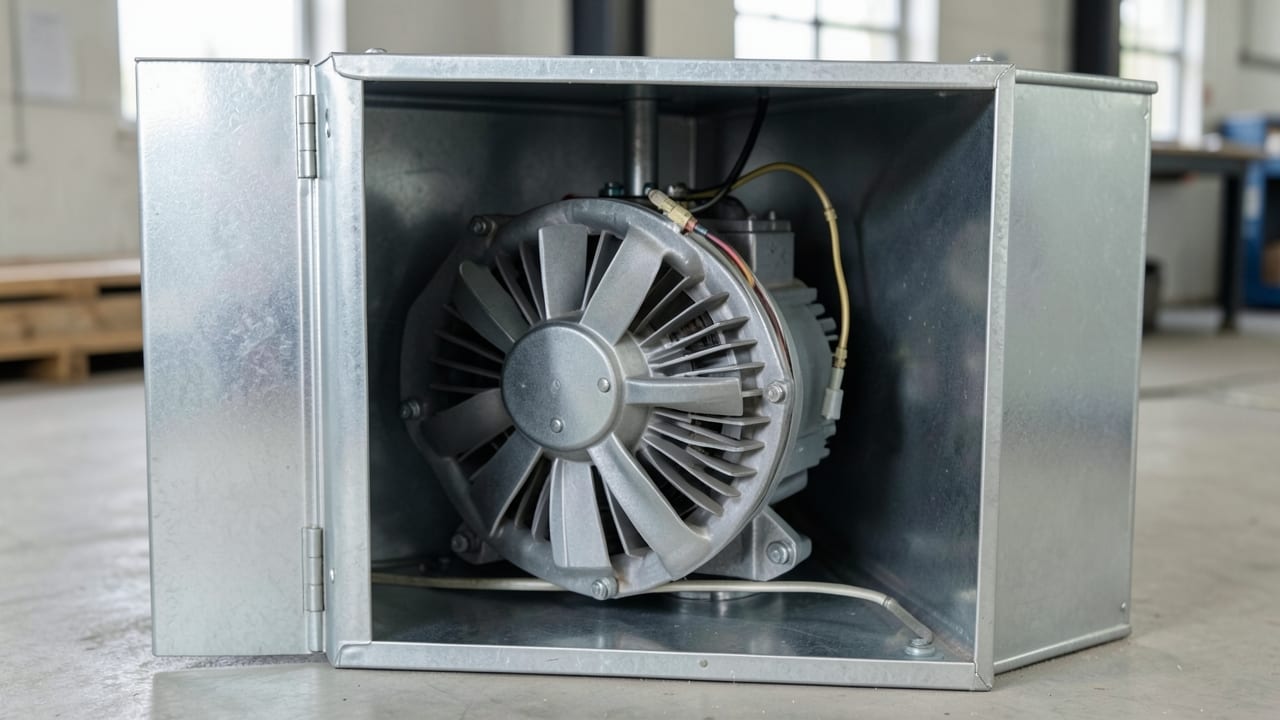
Blower Motor Cleaning in Highland Park, IL
Professional cleaning of the blower motor in HVAC systems to improve airflow and efficiency.
Learn More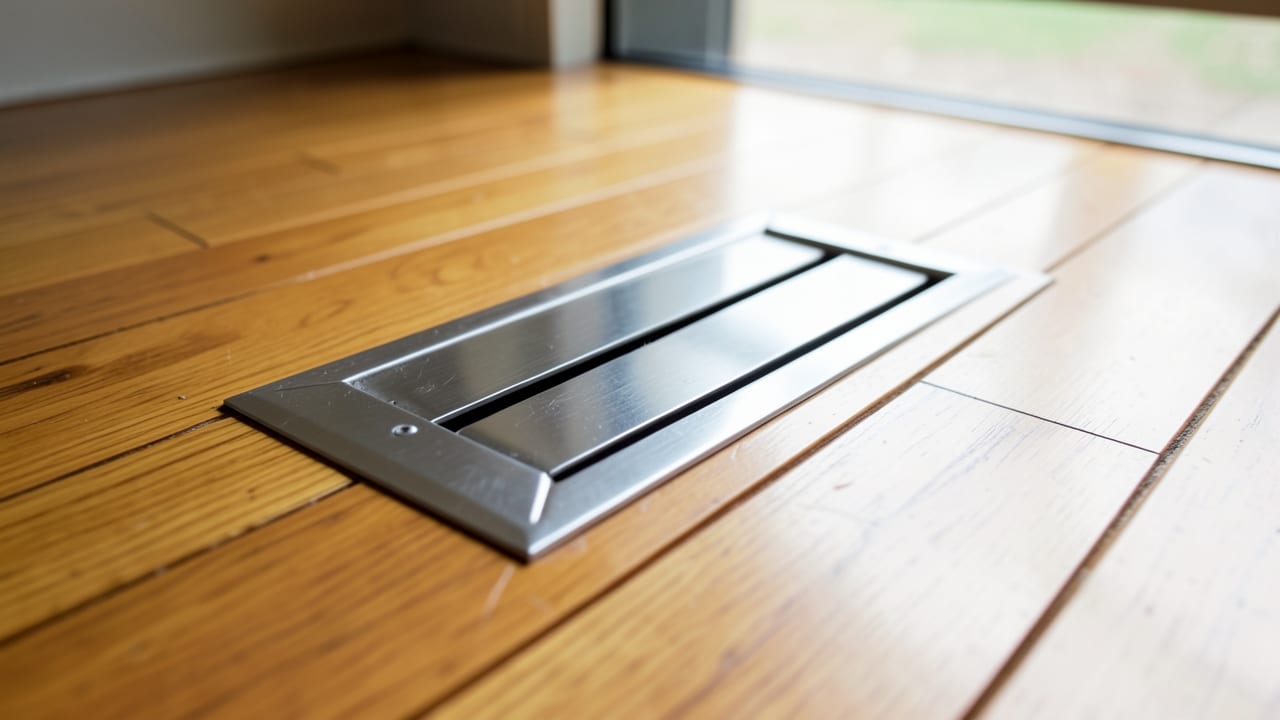
Register Cleaning in Highland Park, IL
Professional cleaning of air ducts and HVAC system components to improve airflow and indoor air quality.
Learn More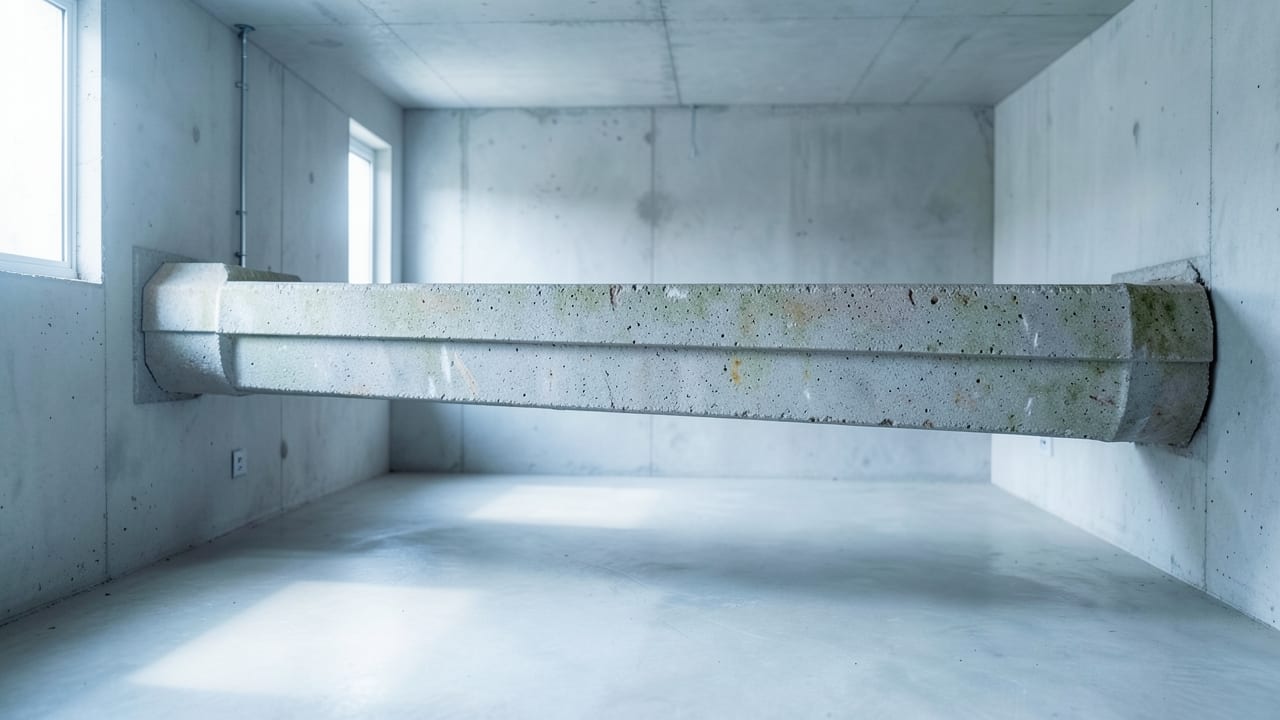
Concrete Duct Cleaning in Highland Park, IL
Professional cleaning of concrete ductwork to remove dust, debris, and contaminants from HVAC systems.
Learn More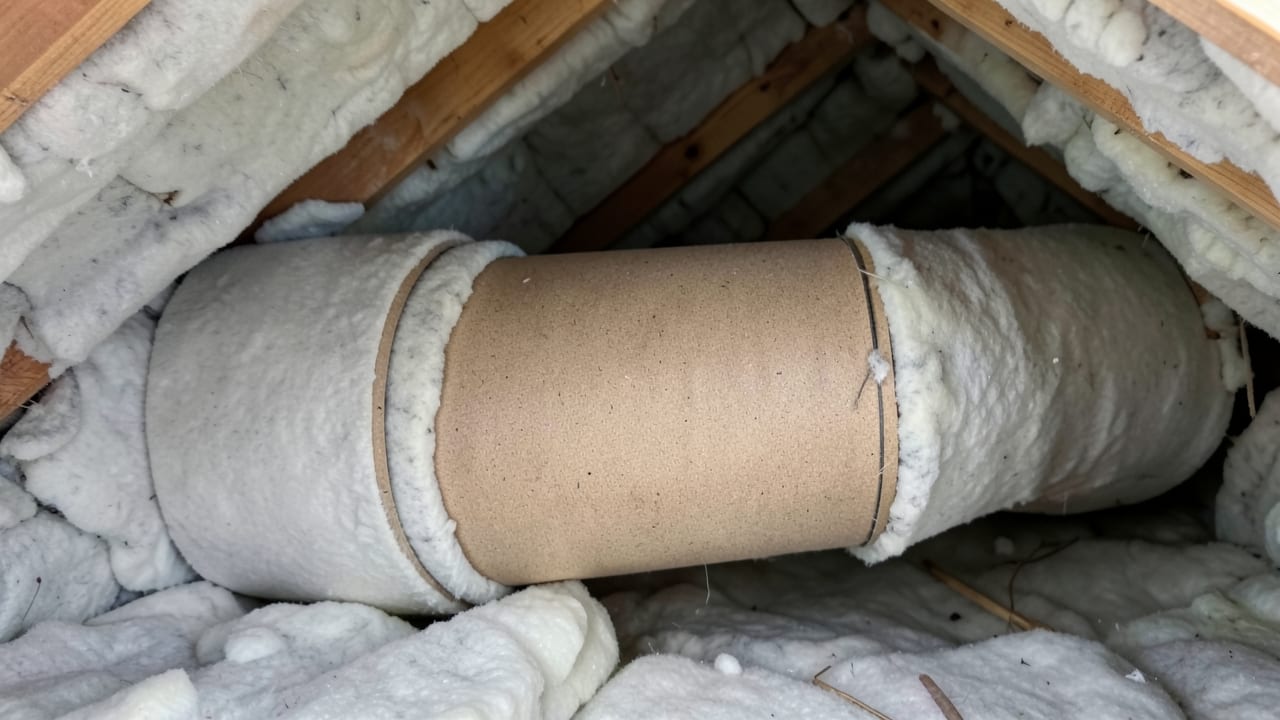
Fiberboard Duct Cleaning in Highland Park, IL
Professional cleaning of fiberboard HVAC ducts to remove dust, debris, and contaminants.
Learn More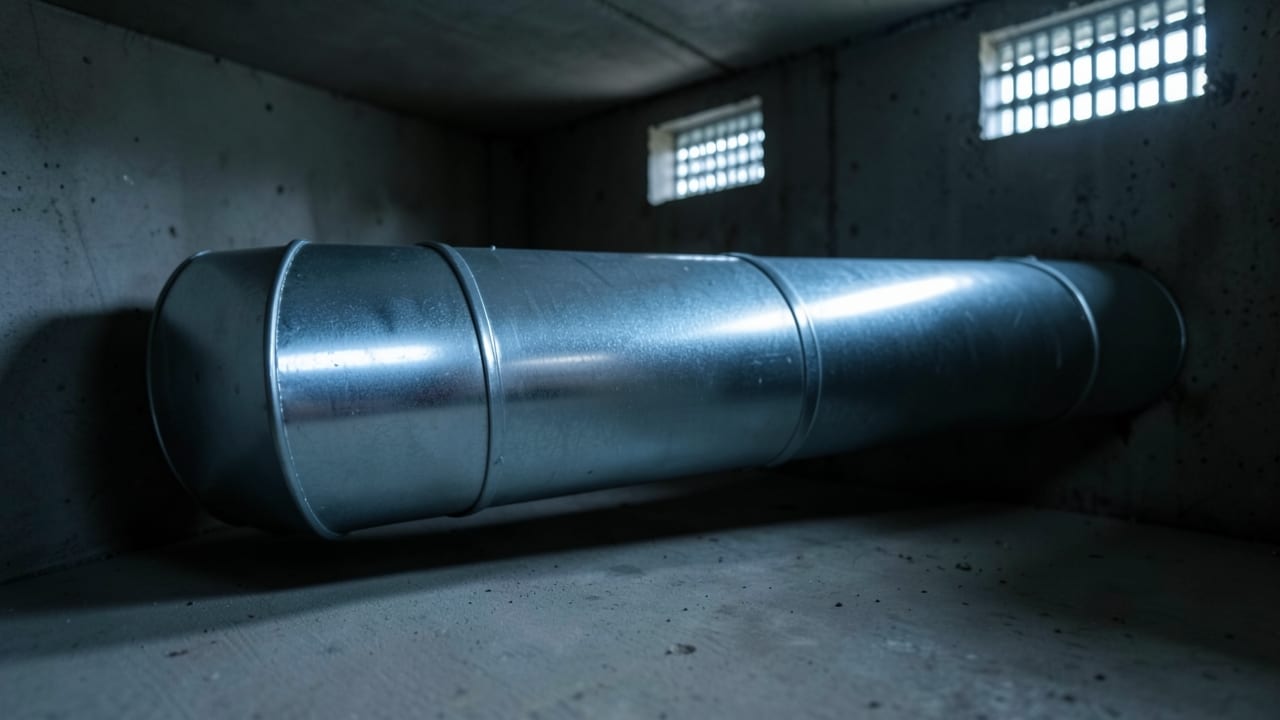
Galvanized Duct Cleaning in Highland Park, IL
Professional cleaning of galvanized air ducts to remove dust, debris, and contaminants from HVAC systems.
Learn More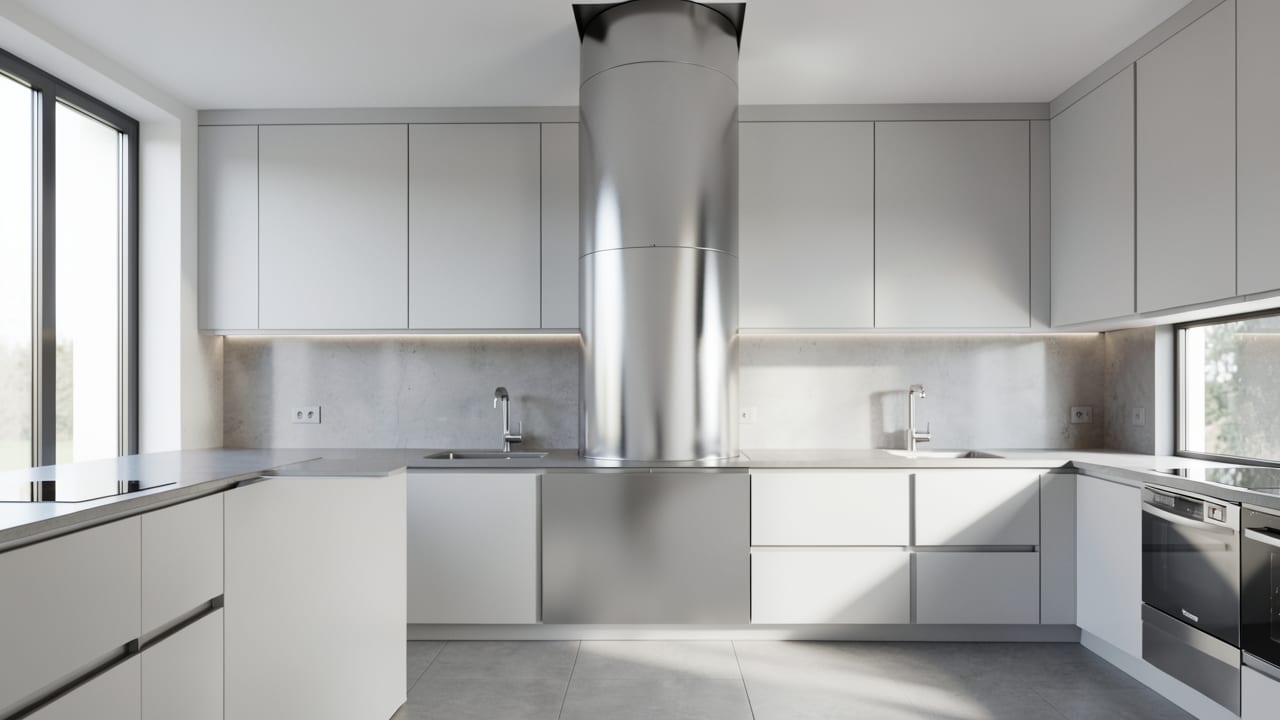
Stainless Steel Duct Cleaning in Highland Park, IL
Professional cleaning of stainless steel ductwork to remove dust, debris, and contaminants from HVAC systems.
Learn MoreCommon Questions About Air Duct Cleaning in Highland Park
Everything you need to know about air duct cleaning services in Highland Park
How much does Indoor Air Quality Testing typically cost in Highland Park, IL?
What local factors get checked before recommending duct cleaning in Highland Park, IL?
Can air ducts be cleaned with a household vacuum instead of hiring it out?
Is duct cleaning ever covered by a home warranty or insurance policy?
What's the actual difference between duct cleaning and dryer vent cleaning?
Does the cleaning process release dust into the rest of the home?
Need Air Duct Cleaning in Highland Park?
Get a written quote from our Highland Park crew.
⏰ We answer your call • Serving all of Highland Park and surrounding areas