How Sanitizing Agents Are Applied During Air Duct Cleaning in Highland Park
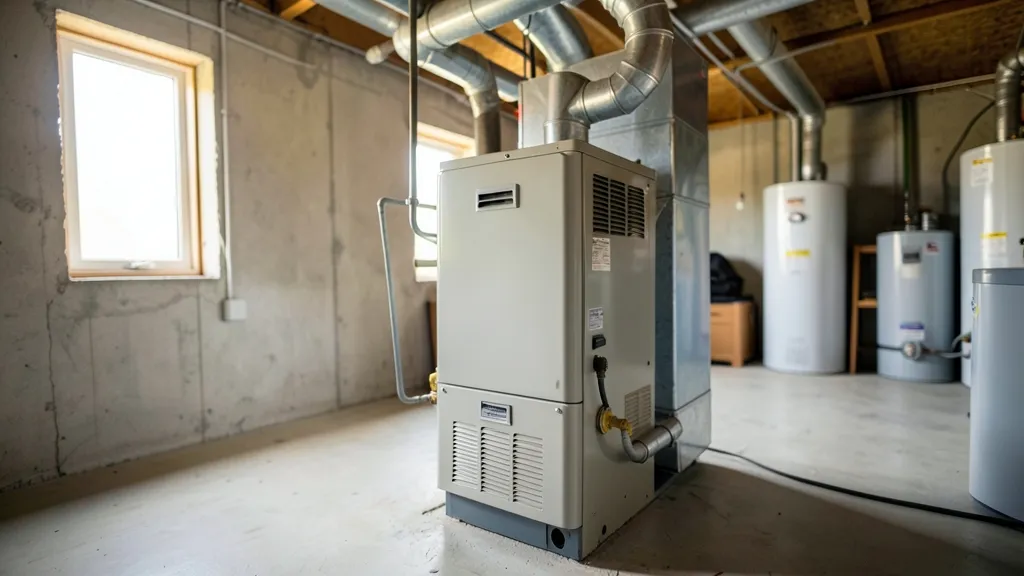
Sanitizing agents are a critical step in professional air duct cleaning, ensuring your system doesn’t just look clean—it’s hygienically clean. In Highland Park’s humid summers and cold winters, ductwork can harbor mold, bacteria, and allergens that recirculate through your home or business. We use EPA-registered agents and targeted application methods to eliminate these contaminants at the source.
Why Sanitizing Agents Are Essential in Duct Cleaning
Air ducts collect more than dust—they trap pollen, pet dander, and microbial growth that thrive in dark, moist environments. Standard cleaning removes debris, but sanitizing agents neutralize what’s left behind.
In older Highland Park homes or commercial buildings, legacy ductwork often hides mold spores or bacteria that can’t be fully removed by brushing or vacuuming alone. Sanitization ensures these contaminants don’t regrow.
For households with allergies, asthma, or respiratory sensitivities, sanitizing agents provide an extra layer of protection by reducing airborne irritants.
Types of Sanitizing Agents We Use
We rely on EPA-registered antimicrobial treatments designed specifically for HVAC systems. These agents are non-toxic once dry but highly effective against mold, bacteria, and viruses.
Fogging solutions are a common choice—they disperse as a fine mist, reaching deep into ductwork, coils, and vents where brushes can’t. This method is ideal for complex systems in Lake Forest or Highwood properties.
For stubborn mold or mildew, we may use targeted sprays or UV-C light treatments. UV systems can be installed to provide ongoing sanitization between cleanings.
| Method | Best For | Application Time | Longevity |
|---|---|---|---|
| Fogging | Whole-system treatment, hard-to-reach areas | 30-60 minutes | 6-12 months |
| Spray Application | Localized mold/mildew, coils, vents | 15-30 minutes | 3-6 months |
| UV-C Light | Ongoing sanitization, high-humidity areas | Instant (continuous) | 2+ years (with maintenance) |
The Step-by-Step Sanitization Process
Sanitization always follows a thorough cleaning. Our team first uses high-powered HEPA vacuums and rotating brushes to remove loose debris from supply and return ducts.
Next, we inspect the system for moisture or microbial growth. In Highland Park’s climate, basements and crawl spaces often contribute to duct contamination, so we pay special attention to these areas.
Once ducts are clean and dry, we apply the sanitizing agent. Fogging is done with the HVAC system running to ensure even distribution, while sprays target specific problem zones like coils or plenum boxes.
Sanitizing agents require 24-48 hours to fully dry and reach maximum effectiveness. We recommend avoiding HVAC use during this period for best results.
When Is Sanitization Necessary?
Not every duct cleaning requires sanitization, but it’s strongly recommended if you’ve had water damage, visible mold, or musty odors. Homes near Lake Michigan, like those in Glencoe or Bannockburn, are more prone to humidity-related issues.
Pet owners, smokers, or households with immune-compromised individuals should also consider sanitization to reduce allergens and pathogens. Commercial properties, such as offices in Northbrook, benefit from regular sanitization to maintain IAQ standards.
If your ducts have been cleaned but odors persist, sanitization can often resolve lingering smells that mechanical cleaning alone can’t.
Signs Your Ducts Need Sanitization
- Visible mold or mildew in ducts or vents
- Musty or stale odors when HVAC runs
- Recent water damage or flooding
- Increased allergy or asthma symptoms indoors
- Pets or smokers in the home
Safety and Compliance in Sanitization
We use only EPA-approved agents that are safe for occupied spaces once dry. These products meet strict guidelines for indoor air quality and pose no risk to children, pets, or sensitive individuals when applied correctly.
Our technicians wear protective gear during application and ensure proper ventilation. We also follow NADCA (National Air Duct Cleaners Association) standards for all sanitization procedures.
For commercial duct cleaning in Highland Park or nearby areas, we provide documentation of the products used and their safety data sheets upon request.
Sanitization vs. Disinfection: What’s the Difference?
Sanitization reduces contaminants to a safe level, while disinfection kills a broader spectrum of pathogens. For most residential duct systems, sanitization is sufficient to improve air quality.
Disinfection is typically reserved for healthcare settings or severe contamination, such as after a sewage backup or major flood. In homes, we focus on sanitization unless testing reveals a need for stronger measures.
Indoor air quality testing can help determine whether sanitization or disinfection is appropriate for your Highland Park property.
For peace of mind, combine duct sanitization with indoor air quality testing. This identifies hidden pollutants and confirms the effectiveness of the treatment.
Maintaining Clean Ducts After Sanitization
Sanitization isn’t a one-time fix. To extend its benefits, replace air filters every 1-3 months, especially in high-use seasons like winter or summer. We recommend MERV 8-13 filters for most Highland Park homes.
Consider adding a UV light system to your HVAC for continuous sanitization. These systems are particularly effective in humid climates and can prevent mold regrowth in coils and ducts.
Schedule annual duct inspections and cleanings as needed. Properties in older neighborhoods or with high occupancy may require more frequent attention.
How to Prepare for Duct Sanitization
A little preparation ensures the sanitization process is smooth and effective.
- 1Clear the Area
Remove any items near vents or returns, such as furniture, rugs, or decorations. This gives our team full access to the ductwork.
- 2Turn Off HVAC
Shut down your heating or cooling system at least 30 minutes before we arrive. This allows ducts to cool and prevents dust from circulating during cleaning.
- 3Secure Pets
Keep pets in a separate room or outside during the process. While our sanitizing agents are safe once dry, it’s best to minimize their exposure during application.
- 4Plan for Downtime
Avoid using your HVAC system for 24-48 hours after sanitization to allow the agents to fully dry and take effect.
- 5Communicate Concerns
Let us know about any specific issues, like mold odors or allergy symptoms, so we can tailor the sanitization approach to your needs.
Frequently Asked Questions
How long does duct sanitization take in a typical Highland Park home?
Sanitization itself usually takes 30-60 minutes, depending on the size of your system and the method used. Fogging is the quickest, while targeted spray applications may take longer for larger homes or commercial spaces.
Is duct sanitization safe for my family and pets?
Yes. We use EPA-registered, non-toxic agents that are safe once dry. We recommend keeping pets and family members out of the treated area during application and for a few hours afterward as a precaution.
Can sanitization remove mold from my ducts?
Sanitizing agents kill mold spores and prevent regrowth, but they must be applied after physical cleaning removes existing mold. For severe mold issues, we may recommend a dedicated mold treatment or UV light installation.
Do I need sanitization if my ducts were just cleaned?
Cleaning removes debris, but sanitization addresses microbial contaminants you can’t see. If your ducts had mold, odors, or high allergen levels, sanitization is highly recommended to ensure a truly clean system.
How often should I sanitize my air ducts?
For most homes, sanitization every 3-5 years is sufficient, or whenever you notice odors, mold, or increased allergy symptoms. Commercial properties or homes with pets may benefit from more frequent treatments.
Does sanitization help with dust buildup in my ducts?
Sanitization targets microbial growth, not dust. However, by reducing mold and bacteria, it can minimize the sticky residues that trap dust. For dust control, regular duct cleaning and filter changes are key.