How to Choose a Reputable Air Duct Cleaning Company in Highland Park
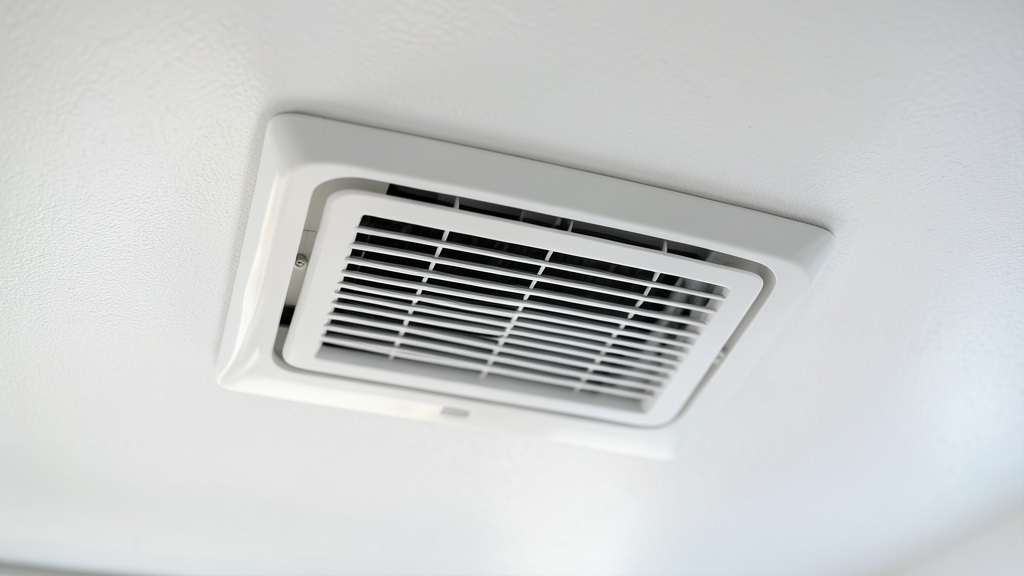
Choosing the right air duct cleaning company in Highland Park isn’t just about price—it’s about expertise, equipment, and trust. Poorly cleaned ducts can worsen indoor air quality, damage HVAC systems, or leave behind hidden contaminants. We’ll break down what separates the professionals from the pretenders.
Why Highland Park Homes Need Professional Duct Cleaning
Our climate near Lake Michigan means humidity swings, seasonal allergens, and dust that settle deep in ductwork. Over time, these contaminants circulate through your home, aggravating allergies and reducing HVAC efficiency.
Professional cleaning removes built-up debris, mold spores, and even rodent droppings that DIY methods can’t reach. It’s not just about cleanliness—it’s about protecting your system’s lifespan and your family’s health.
NADCA Certification: The Non-Negotiable Standard
The National Air Duct Cleaners Association (NADCA) sets the industry benchmark. Certified companies follow strict protocols for equipment, techniques, and safety—ensuring thorough, damage-free cleaning.
Always verify a company’s NADCA membership. Uncertified providers may use outdated methods or cut corners, risking incomplete cleaning or even duct damage.
Ask for the company’s NADCA certification number and confirm it on NADCA’s official directory. This step alone filters out many fly-by-night operators.
The Right Equipment for the Job
Not all duct cleaning tools are equal. Reputable companies use high-powered HEPA vacuum systems and rotary brushes to dislodge and capture debris without scattering it into your home.
For flexible ducts, soft-bristle brushes prevent tears, while rigid metal ducts require specialized agitation tools. Avoid companies relying solely on handheld vacuums—they can’t reach deep into the system.
| Method | Effectiveness | Best For |
|---|---|---|
| Negative Air Pressure (HEPA Vacuum) | High | All duct types, deep debris removal |
| Rotary Brushes | High | Rigid metal ducts, stubborn buildup |
| Handheld Vacuums | Low | Surface dust only (not recommended) |
| Compressed Air (Skip the 'Blow-and-Go') | Low-Medium | Loose debris (often incomplete) |
What a Thorough Inspection Should Include
Before cleaning, a reputable company will inspect your entire HVAC system. This includes checking for leaks, mold growth, or damaged sections in the ductwork, coils, and blower components.
They should also assess your air filters and recommend replacements if clogged. Skipping this step often means missing hidden problems that cleaning alone won’t fix.
Pre-Cleaning Inspection Checklist
- Visual inspection of all accessible ductwork
- Check for mold, mildew, or pest infestations
- Assess HVAC coil and blower cleanliness
- Evaluate air filter condition
- Test system airflow and pressure
Avoiding the ‘Blow-and-Go’ Scam
Some companies use high-pressure air to blow debris through your ducts, then vacuum only what’s near the vents. This ‘blow-and-go’ method leaves most contaminants in your system and can damage ducts.
A legitimate cleaning uses contact cleaning—physically agitating debris with brushes or air whips before vacuuming. Always ask for a demonstration of their process.
If a technician refuses to open access panels or create new ones for a thorough job, they’re likely cutting corners. Proper cleaning requires direct access to main trunks and branches.
Additional Services That Matter in Highland Park
Many homes in Highwood, Lake Forest, or Northbrook also need dryer vent cleaning to prevent fire hazards. Ask if the company offers this, along with HVAC coil cleaning and UV sanitization for mold-prone systems.
Indoor air quality testing can identify hidden issues like volatile organic compounds (VOCs) or excessive humidity. A full-service provider will address these, not just the ducts.
What to Expect After the Cleaning
A professional job leaves your vents visibly clean, with improved airflow and no lingering dust odors. Your HVAC system should run more efficiently, and allergy symptoms may lessen within days.
Request before-and-after photos or a video inspection of your ducts. Transparent companies will provide proof of their work.
Local Considerations for Highland Park and Nearby Areas
Homes in Glencoe or Bannockburn often have older ductwork that may need repairs or sealing. A local expert understands these nuances and can recommend upgrades like better filtration or duct insulation.
Our humid summers and cold winters also mean condensation risks in ducts. Ask about moisture control solutions, such as dehumidifiers or UV lights, to prevent mold regrowth.
How to Vet an Air Duct Cleaning Company
Follow these steps to ensure you hire a qualified, trustworthy professional.
- 1Verify NADCA Certification
Check their certification status on NADCA’s website. Non-members lack accountability to industry standards.
- 2Ask About Their Cleaning Process
Ensure they use HEPA vacuums and contact cleaning (brushes/air whips). Avoid companies that only use compressed air.
- 3Request Proof of Insurance
Confirm they carry liability insurance to cover accidental damage to your HVAC system or home.
- 4Check for Local Experience
Ask how long they’ve served Highland Park, Highwood, or Lake Forest. Local providers understand regional duct challenges.
- 5Review Their Additional Services
Look for offerings like dryer vent cleaning, coil cleaning, or air quality testing. A full-service company can address all your needs.
- 6Get a Detailed Quote
Avoid vague estimates. A reputable company will provide a clear breakdown of costs based on your system’s size and condition. Request a quote to compare.
Frequently Asked Questions
How often should I clean my air ducts in Highland Park?
Most homes need duct cleaning every 3–5 years, but factors like pets, allergies, or recent renovations may require more frequent service. Homes near Lake Michigan with high humidity may benefit from annual inspections to check for mold.
Can air duct cleaning reduce my energy bills?
Yes. Clean ducts improve airflow, allowing your HVAC system to operate more efficiently. While savings vary, many homeowners see a noticeable reduction in energy costs after professional cleaning.
What’s the difference between air duct cleaning and HVAC coil cleaning?
Air duct cleaning focuses on the ductwork, while HVAC coil cleaning targets the evaporator and condenser coils. Both are critical for system performance—dirty coils reduce efficiency and can harbor mold. Many companies offer both services together.
Do I need dryer vent cleaning if I already cleaned my ducts?
Absolutely. Dryer vents and air ducts are separate systems. Lint buildup in dryer vents is a fire hazard and can restrict airflow, making your dryer work harder. It’s a service often overlooked but essential for safety.
How do I know if my ducts have mold?
Signs include musty odors, visible mold near vents, or increased allergy symptoms. A professional inspection with a borescope camera can confirm mold growth. If found, opt for a company that offers mold treatment or UV sanitization.
Are there any risks to DIY air duct cleaning?
Yes. Without proper equipment, you can damage ducts, scatter contaminants, or miss hidden debris. Improper cleaning can also void HVAC warranties. It’s best to leave this job to experienced providers.