Breathe Easier: The Medical Benefits of Air Duct Cleaning for Highland Park Families
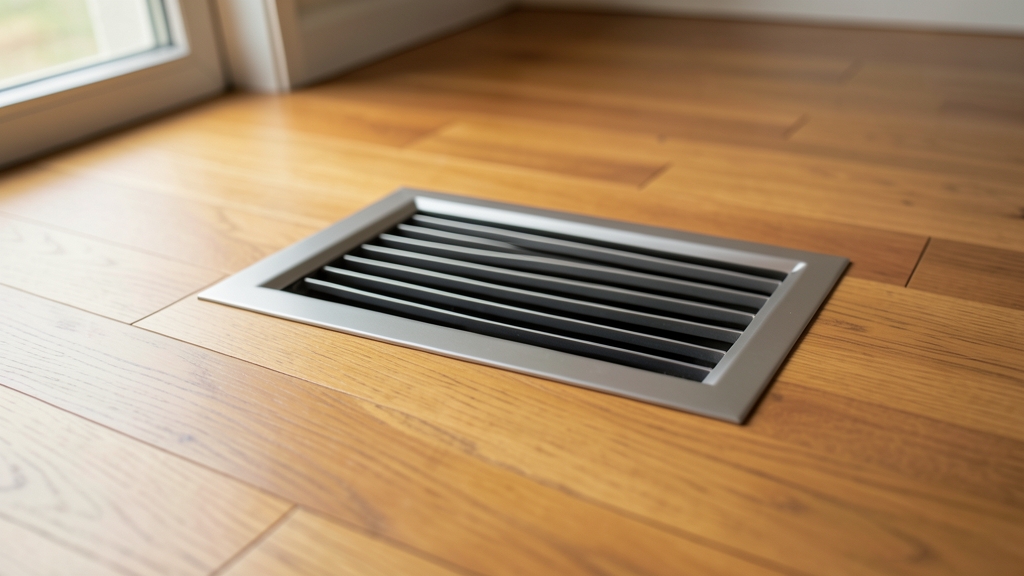
Indoor air can be two to five times more polluted than outdoor air, and your ductwork is often the hidden culprit. For families in Highland Park, where seasonal allergies and humid summers are a reality, clean air ducts can make a measurable difference in health and comfort. We’ve seen firsthand how removing built-up contaminants from HVAC systems eases respiratory issues and boosts overall well-being.
Why Indoor Air Quality Matters in Highland Park Homes
Our area’s four distinct seasons mean HVAC systems run nearly year-round, circulating dust, pollen, and other particulates through your home. Poor indoor air quality can trigger allergies, asthma, and other respiratory conditions, especially in children and the elderly.
High humidity in summer and dry, forced-air heat in winter create ideal conditions for mold, mildew, and dust mites to thrive in ductwork. Without regular cleaning, these contaminants recirculate every time your system kicks on.
How Contaminated Ducts Affect Respiratory Health
Dust, pet dander, and mold spores trapped in ducts are continuously redistributed into your living spaces. For those with allergies or asthma, this can lead to chronic symptoms like coughing, sneezing, and fatigue.
Long-term exposure to poor indoor air has been linked to more serious conditions, including sinus infections and aggravated COPD. Clean ducts reduce these triggers, offering relief for sensitive individuals.
Mold in ductwork isn’t always visible but can release spores that worsen respiratory issues. If you notice musty odors, it’s time for an inspection.
The Science Behind Cleaner Air and Better Health
Studies show that improving indoor air quality can reduce allergy symptoms by up to 50%. Removing contaminants from ducts directly lowers the concentration of airborne irritants in your home.
Clean ducts also improve HVAC efficiency, ensuring better airflow and filtration. This means your system can more effectively capture and remove new pollutants as they enter the home.
Common Contaminants Found in Highland Park Ductwork
Our local climate and lifestyle contribute to a mix of pollutants in duct systems. Pollen from spring blooms, dust from nearby construction, and pet dander from family pets are common offenders.
In older homes, we often find layers of dust and debris that have accumulated over decades. Even newer homes can develop issues if filters aren’t changed regularly or if the system wasn’t properly sealed during installation.
| Contaminant | Source | Health Impact |
|---|---|---|
| Dust mites | Organic debris in ducts | Allergies, asthma |
| Mold spores | Moisture in ductwork | Respiratory infections, allergies |
| Pollen | Outdoor air intake | Seasonal allergy symptoms |
| Pet dander | Family pets | Allergies, asthma attacks |
| Volatile Organic Compounds (VOCs) | Cleaning products, new furniture | Headaches, nausea, long-term organ damage |
Signs Your Ducts Need Cleaning
Visible dust blowing from vents is a clear sign, but other indicators are subtler. Unexplained allergies, persistent cold-like symptoms, or a musty smell when the HVAC runs are red flags.
Increased dust on furniture, even after cleaning, can also signal dirty ducts. If your energy bills are rising without explanation, restricted airflow from clogged ducts may be the cause.
When to Call a Professional
- Visible mold growth inside ducts or on HVAC components
- Vermin or insect infestations in the ductwork
- Excessive dust or debris clogging vents
- Unexplained respiratory issues among household members
What to Expect During a Professional Duct Cleaning
We use specialized tools like high-powered vacuums, rotary brushes, and air whips to dislodge and remove contaminants. The process starts with an inspection to identify problem areas and the extent of buildup.
Our team seals off supply and return vents to prevent debris from spreading during cleaning. For stubborn mold or mildew, we may recommend a sanitizing treatment to ensure a thorough remediation.
For best results, pair duct cleaning with HVAC coil cleaning and dryer vent cleaning. This ensures your entire system operates efficiently and safely.
Beyond Duct Cleaning: Related Services for Healthier Air
Air duct cleaning is just one part of improving indoor air quality. UV light sanitization systems can neutralize bacteria and viruses, while high-efficiency air filters capture finer particles.
For homes in Highwood, Lake Forest, or Northbrook, where older properties are common, we often recommend indoor air quality testing to identify specific pollutants. Commercial duct cleaning is also critical for local businesses, schools, and healthcare facilities.
Maintaining Clean Ducts Between Professional Cleanings
Regularly changing your HVAC filters—every 1-3 months—is the simplest way to keep ducts cleaner longer. Use high-quality filters with a MERV rating of 8-13 for optimal particle capture.
Keep vents unobstructed by furniture or rugs, and consider using a dehumidifier in damp areas like basements to prevent mold growth. Scheduling annual HVAC maintenance also helps catch issues early.
How to Check Your Ducts for Contaminants
A quick visual inspection can reveal whether your ducts need professional attention.
- 1Remove and Inspect Vent Covers
Unscrew a few vent covers and use a flashlight to look inside. If you see dust buildup or debris, it’s a sign your ducts need cleaning.
- 2Check for Visible Mold
Look for black or greenish spots on duct surfaces or a musty smell. Mold in ducts requires immediate attention.
- 3Test Airflow
Hold a tissue near a supply vent when the HVAC is running. Weak airflow may indicate blockages in the ductwork.
- 4Monitor for Dust Blowback
If dust puffs out when the system starts, it’s a clear indicator of contaminated ducts.
- 5Assess Indoor Air Quality
Pay attention to allergy symptoms or respiratory issues that improve when you’re away from home. This could point to duct-related pollutants.
Frequently Asked Questions
How often should I have my air ducts cleaned in Highland Park?
We recommend professional duct cleaning every 3-5 years for most homes. However, if you have pets, allergies, or notice visible dust or mold, more frequent cleaning may be necessary. Request a quote to assess your specific needs.
Can dirty ducts make my allergies worse?
Absolutely. Dirty ducts circulate allergens like dust mites, pollen, and pet dander, which can significantly worsen allergy symptoms. Cleaning your ducts removes these triggers, providing relief.
Is air duct cleaning worth it for older homes in Lake Forest or Glencoe?
Yes, especially in older homes where ductwork may have decades of buildup. Professional cleaning can improve air quality, reduce odors, and even enhance HVAC efficiency, making it a smart investment.
What’s the difference between air duct cleaning and HVAC coil cleaning?
Air duct cleaning focuses on removing contaminants from the ductwork, while HVAC coil cleaning targets the evaporator and condenser coils. Both are important for optimal system performance and air quality.
Does duct cleaning help with musty smells in my home?
Often, yes. Musty odors are frequently caused by mold or mildew in the ductwork. A thorough cleaning, possibly combined with sanitization treatment, can eliminate these smells at the source.
Can duct cleaning improve my HVAC system’s efficiency?
Yes. Clean ducts allow for better airflow, reducing the strain on your HVAC system. This can lead to lower energy bills and a longer lifespan for your equipment.