The Top Signs Your Highland Park Home Needs Air Duct Cleaning
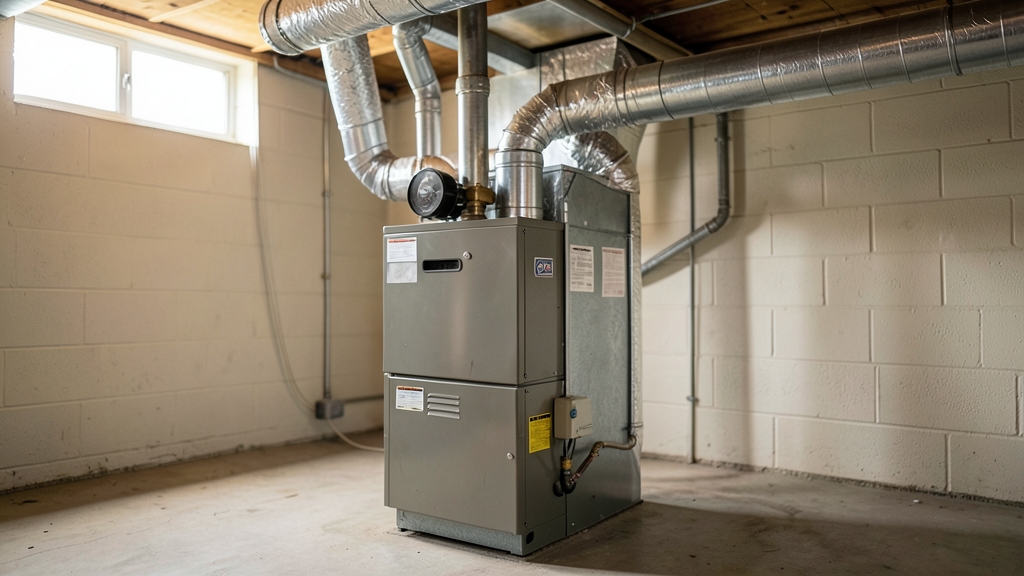
Your home’s ductwork is the respiratory system of your HVAC, and when it’s clogged, the effects ripple through every room. We’ve cleaned thousands of feet of ductwork in Highland Park and surrounding areas like Highwood and Lake Forest—here’s how to spot the red flags before they impact your health or wallet.
Visible Dust and Debris Around Vents
If you’re dusting more often than usual, check your supply and return vents. Fine dust rings or visible debris around the grilles are classic signs of contaminated ductwork.
In older Highland Park homes, fiberglass ducts can degrade over time, shedding particles that circulate through your system. Sheet metal and flex ducts aren’t immune—dust buildup is inevitable without regular cleaning.
Remove a vent cover and shine a flashlight inside. If you see a layer of dust or cobwebs, it’s time for a professional inspection.
Unexplained Allergies or Respiratory Issues
Sneezing, itchy eyes, or aggravated asthma indoors often trace back to poor duct hygiene. Pet dander, pollen, and dust mites thrive in unclean ducts, especially in humid Lake Michigan summers.
Mold and mildew can also take hold in ductwork, particularly after water intrusion or in poorly insulated attics. If allergies flare up when the HVAC runs, your ducts may be the culprit.
Inconsistent Airflow or Hot/Cold Spots
Blocked ducts restrict airflow, forcing your HVAC to work harder. You might notice weak airflow from some vents or rooms that never seem to reach the right temperature.
In multi-story homes common in Highland Park, upstairs rooms often suffer first. Reduced airflow can also stem from crushed flex ducts or collapsed sections—issues we uncover during a thorough inspection.
Musty or Stale Odors When the HVAC Runs
A musty smell when the furnace or AC kicks on often signals mold, mildew, or trapped organic matter in the ducts. These odors are especially noticeable in spring and fall when systems cycle on after months of dormancy.
Cooking smells or tobacco residue can also linger in ductwork. If odors persist after cleaning your home, the source is likely hidden in your air ducts.
Air fresheners or scented filters won’t solve the root cause. Mold in ducts requires professional treatment to prevent regrowth.
Increased Energy Bills Without Explanation
Clogged ducts force your HVAC to run longer to maintain comfort, spiking energy use. The U.S. Department of Energy estimates that 25–40% of a system’s energy is wasted due to contaminated ductwork.
In Highland Park’s climate—with cold winters and humid summers—an inefficient system works overtime. If your bills climb but your thermostat settings haven’t changed, duct cleaning can restore efficiency.
Pest Infestations or Droppings in Ducts
Rodents, insects, or even birds can enter ductwork through gaps or uncapped vents. Droppings, nests, or dead pests not only block airflow but also pose serious health risks.
We’ve removed everything from squirrel nests in Northbrook attics to insect colonies in Glencoe basements. If you hear scratching or see evidence of pests near vents, schedule an inspection immediately.
Recent Renovations or Construction
Drywall dust, sawdust, and insulation fibers from remodeling projects often end up in your ducts. Even small renovations can introduce significant debris that circulates for years.
If you’ve recently updated your Highland Park home—or moved into a newly renovated property in Bannockburn or Highwood—duct cleaning should be a priority to remove construction contaminants.
| Contaminant | Source | Risk |
|---|---|---|
| Drywall dust | Wall/ceiling work | Respiratory irritation, clogs filters |
| Fiberglass particles | Insulation installation | Skin/eye irritation, HVAC damage |
| Sawdust | Flooring/carpentry | Fire hazard in extreme cases, reduces airflow |
| Asbestos (older homes) | Demolition of pre-1980s materials | Severe health risk; requires abatement |
Noisy HVAC Operation
Rattling, whistling, or banging sounds can indicate loose duct sections, collapsed flex ducts, or obstructions. These noises often worsen when the blower motor ramps up.
In Highland Park’s historic homes, aging ductwork may also develop leaks or separations at joints. A professional cleaning includes a visual inspection to identify these issues before they cause costly damage.
How to Inspect Your Ducts for Problems
A quick DIY check can reveal obvious issues before calling in professionals.
- 1Turn Off the HVAC System
Switch off the power at the thermostat and circuit breaker to prevent injury or damage.
- 2Remove Vent Covers
Use a screwdriver to take off a few supply and return vent covers. Look for dust, debris, or mold.
- 3Check for Visible Blockages
Shine a flashlight into the ducts. Look for obstructions, pest droppings, or excessive dust buildup.
- 4Test Airflow
Turn the system back on and hold a tissue near the vents. Weak airflow or no movement suggests blockages.
- 5Listen for Unusual Noises
Stand near the vents and ductwork. Rattling, whistling, or banging noises indicate potential issues.
- 6Document Findings
Note any problems and their locations. This helps our team target the cleaning or repairs more effectively.
Frequently Asked Questions
How often should I clean my air ducts in Highland Park?
Most homes benefit from duct cleaning every 3–5 years, but factors like pets, allergies, or recent renovations may require more frequent service. In humid areas like ours, mold risk can shorten this interval. Request a quote for a tailored recommendation.
Can dirty ducts make my allergies worse?
Absolutely. Dust mites, pet dander, pollen, and mold spores thrive in unclean ducts and circulate through your home every time the HVAC runs. Professional cleaning removes these triggers, improving indoor air quality.
Will duct cleaning reduce my energy bills?
Yes, by improving airflow and efficiency. The EPA notes that cleaning ductwork can reduce energy costs, especially if your system was struggling due to blockages. The exact savings depend on your system’s condition and usage.
Do you serve areas near Highland Park like Lake Forest or Northbrook?
Yes, our team provides air duct cleaning, dryer vent cleaning, and HVAC coil cleaning across Highland Park, Highwood, Lake Forest, Northbrook, Glencoe, and Bannockburn. We’re familiar with the unique needs of North Shore homes.
Is duct cleaning messy?
Not with professional equipment. We use high-powered vacuums and containment systems to prevent dust and debris from spreading into your home. Our team also lays down protective coverings and cleans up thoroughly afterward.
What’s the difference between air duct cleaning and dryer vent cleaning?
Air duct cleaning focuses on your HVAC system’s supply and return ducts, while dryer vent cleaning targets the vent leading from your dryer to the exterior. Both are critical—lint buildup in dryer vents is a fire hazard, and we recommend annual cleaning for safety.